
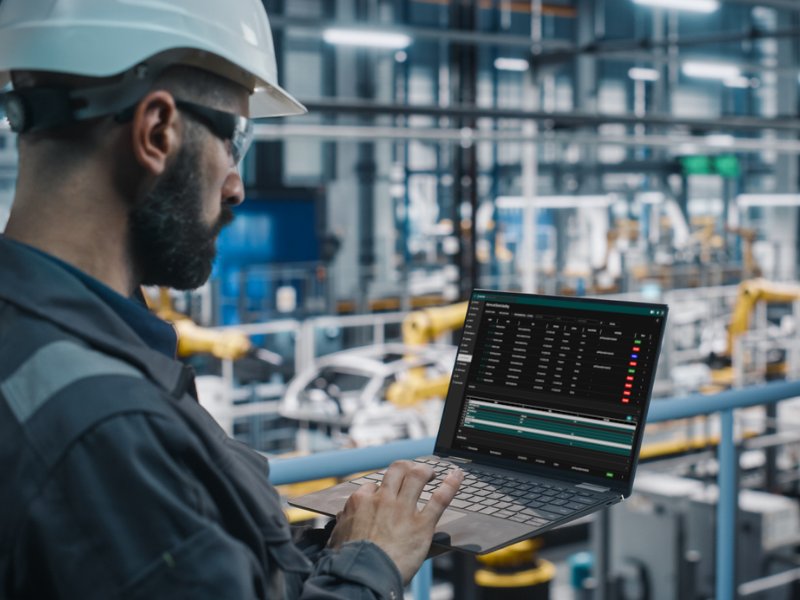
Predictive Maintenance in Smart RDM now available through Try & Buy

Gabriela Gic-Grusza
Smart RDM is introducing a Try & Buy option for its Predictive Maintenance solution. The new offering gives companies an opportunity to test the system using their own data before deciding whether to proceed with a full implementation.
The project runs in a SaaS environment using data from selected customer equipment. Its purpose is to evaluate how predictive maintenance works before a full rollout. The customer supplies data for analysis in Smart RDM to assess data quality, the performance of predictive models, and the solution’s suitability for a specific production environment.
Smart RDM Try & Buy – test before full implementation
Try & Buy is designed to provide access to the full-featured system without the upfront burden of setting up dedicated infrastructure and integrations. Companies can validate the solution using their own data before committing to a full Predictive Maintenance implementation. The trial covers two or three pieces of production equipment and is expected to last three months.
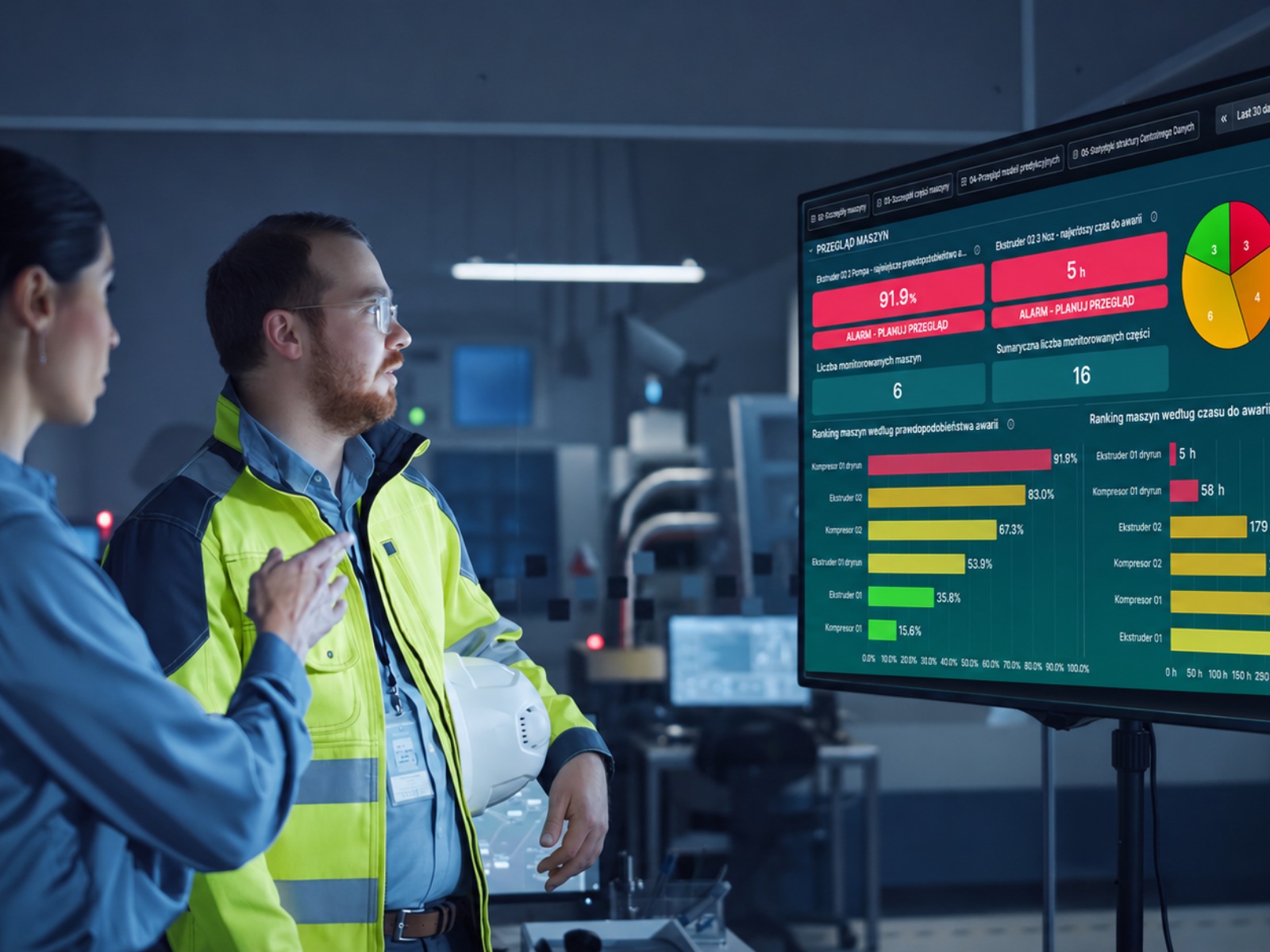
The process begins by selecting the equipment best suited for the trial and establishing project success criteria. The customer prepares data in an agreed-upon format, and the Smart RDM team provides a dedicated SaaS environment. The data is then validated in the system and used to run Predictive Maintenance models. After validation, a data quality report is prepared. When necessary, model calibration can also be performed to adjust parameters to the equipment, production process, and available data. The models are used to analyze key performance indicators (KPIs), including the probability of failure and estimated time to failure. Customers can configure and manage alert thresholds and align them with their maintenance policies. Fully functional dashboards provide visualizations of machine condition and KPIs.
Tangible benefits of Try & Buy
The primary benefit of the Try & Buy approach to Predictive Maintenance is the ability to begin a project without fully integrating the solution into the production infrastructure.
During the trial, customers do not need to provide their own IT infrastructure or purchase additional hardware. The Smart RDM team supplies the application and computing environment, and access to the system can be activated in as little as 24 hours after the service is ordered.
This allows organizations to evaluate the following before making a larger investment:
- the quality of their existing data
- the performance of predictive models
- the system’s functionality
- their readiness to adopt Predictive Maintenance
- the additional work required for a full implementation.
This approach is intended to reduce the risk of investing in extensive infrastructure and integrations before confirming the solution’s value in the company’s own environment.
Try & Buy is more than a system demonstration: customers work with real data from selected equipment. Smart RDM uses artificial intelligence (AI) and machine learning models to identify anomalies, assess risk, and predict future equipment conditions. The project primarily evaluates input data quality and the organization’s readiness to implement Predictive Maintenance.
Smart RDM methodology – research-based and proven in practice
The models used during the Try & Buy period are part of a Predictive Maintenance methodology developed by the Smart RDM team in collaboration with researchers and validated in production environments.
The approach is grounded in scientific research and has been described in academic publications. It combines equipment data analysis with assessments of equipment condition and risk using analytical models and machine learning techniques.
The Smart RDM team provides support at every stage
The Smart RDM team supports the project throughout the process, from equipment selection and data preparation to launching analyses and interpreting the results.
When needed, the experts also calibrate the models to better reflect the characteristics of the specific equipment and production process.
At the end of the project, customers receive a summary of the results, an assessment of data quality, and recommendations for further use of Predictive Maintenance.
If the trial confirms the solution’s value, Smart RDM can be integrated with the customer’s infrastructure and expanded to additional equipment, production lines, or areas of the facility.
Try & Buy therefore serves as the first stage of the implementation process. It allows organizations to test the solution on a limited scale using their own data before investing further in integration and scaling Predictive Maintenance.
Above all, this approach is intended to make it easier for companies to evaluate Predictive Maintenance and make informed decisions about full implementation based on real data and results obtained in their own operating environments.
More information about Predictive Maintenance and the Try & Buy trial is available on the dedicated webpage.
Light mode